1. Persistent Musty Odors
One of the most common indicators of mold in your home is a persistent musty smell. Even if you can’t see mold, the odor often gives it away. Don’t ignore this sign, especially if it intensifies after it rains or when the humidity is high.
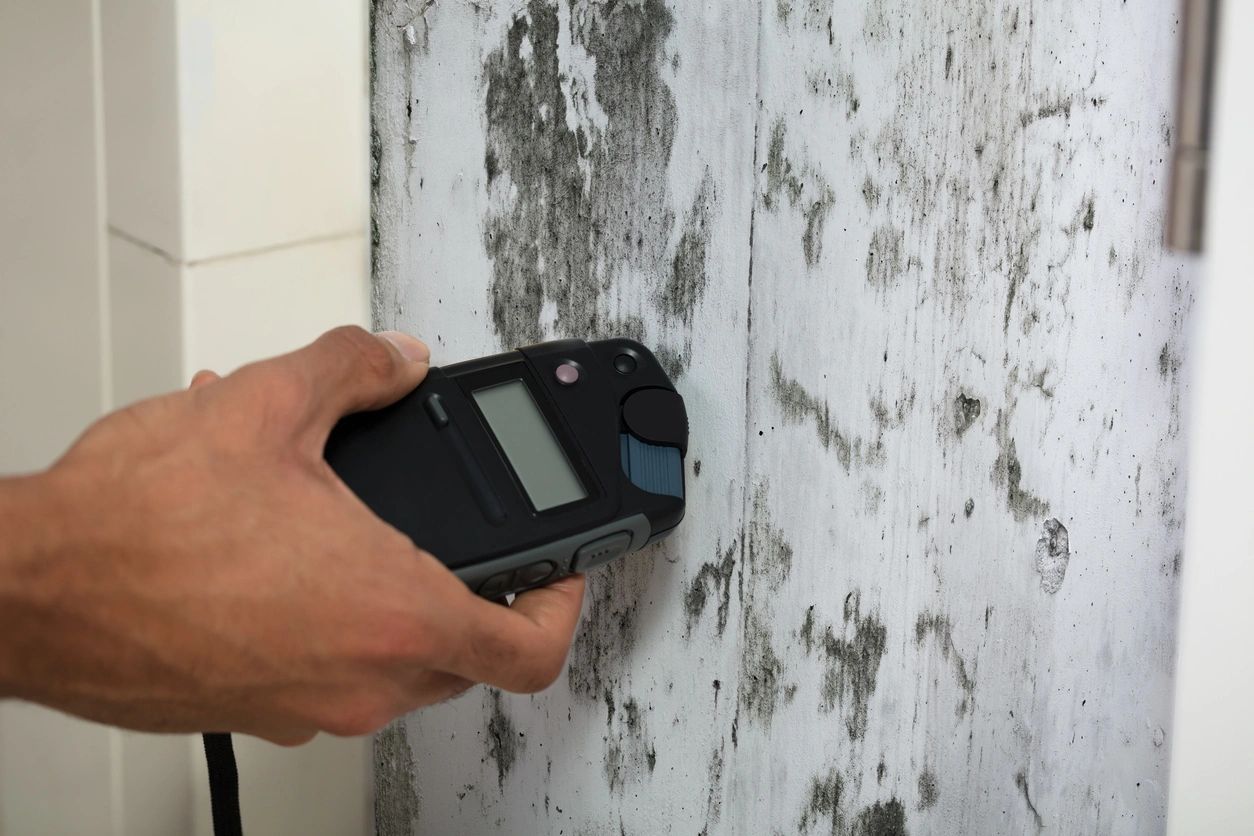
2. Visible Mold Growth
Mold can appear in various colors, including black, white, green, and orange. You might notice it in damp areas like bathrooms, basements, or around windows. Small patches can indicate a larger problem lurking behind walls or under floors.
3. Chronic Health Issues
Exposure to mold can cause a range of health problems:
- Chronic Coughing and Sneezing: If you or your family members are experiencing persistent coughing and sneezing, mold could be a culprit.
- Irritation of the Eyes, Nose, and Throat: Red, itchy eyes and a sore throat are other signs of mold exposure.
- Skin Rashes and Irritations: Unexplained rashes or skin irritations can also be a reaction to mold.
4. Water Damage
Water damage is a significant red flag for mold growth. Look for signs of water stains on walls, ceilings, and floors. Areas around leaking pipes, windows, and roofs are particularly vulnerable. If you’ve had recent flooding, be extra vigilant.
Prevent Mold in Your Home
- Keep Indoor Humidity Below 60%: Use a dehumidifier to maintain an optimal humidity level.
- Regularly Inspect and Repair Leaks: Make it a habit to check plumbing, roofs, and windows for any leaks and repair them promptly.
- Ensure Proper Ventilation: Keep bathrooms, kitchens, and basements well-ventilated to reduce moisture buildup.
- Use Mold-Resistant Products: Opt for mold-resistant drywall, paint, and other building materials when renovating.
- Clean and Dry Areas Prone to Moisture within 48 Hours: Quick action can prevent mold from taking hold in damp areas.
Stay vigilant and take these steps to protect your home and health from the harmful effects of mold. If you suspect you have a mold problem, it’s best to consult a professional for a thorough inspection and remediation.